
Almeida highlights Madrid’s transformation into a high-value destination at the 4th City of Madrid Tourism Forum
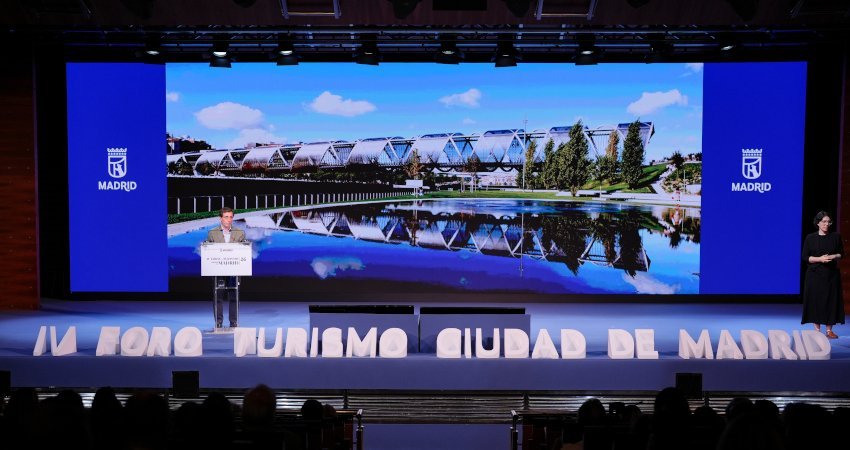
Today, Madrid City Council hosted the fourth edition of its City of Madrid Tourism Forum at the Hotel Meliá Castilla, under the theme “Towards an Intelligent Destination: Management, Experiences and Identity in Urban Tourism”. Organised by the Tourism Division, the annual gathering was brought to a close by Madrid’s Mayor, José Luis Martínez-Almeida. The forum examined the capital’s transformation into an urban destination that delivers greater value to Madrileños and visitors alike. This has been achieved through a quality tourism model driven by meetings tourism, long-haul connectivity, the decentralisation of visitor flows and the seasonal balance of the city’s year-round events calendar.
Almeida revealed that in the first four months of the year, Madrid recorded €5.973 billion in international tourism expenditure, a rise of 9.2% on the same period the previous year. The average daily spend stood at €314, some 5.7% higher than in 2025.
Looking ahead to the first half of 2026 as a whole, international tourism is expected to continue its strong performance, accounting for 56% of total visitors (5.6 million) and 64% of total overnight stays (11.9 million) received by the capital during this period.
A New Tourism Intelligence System
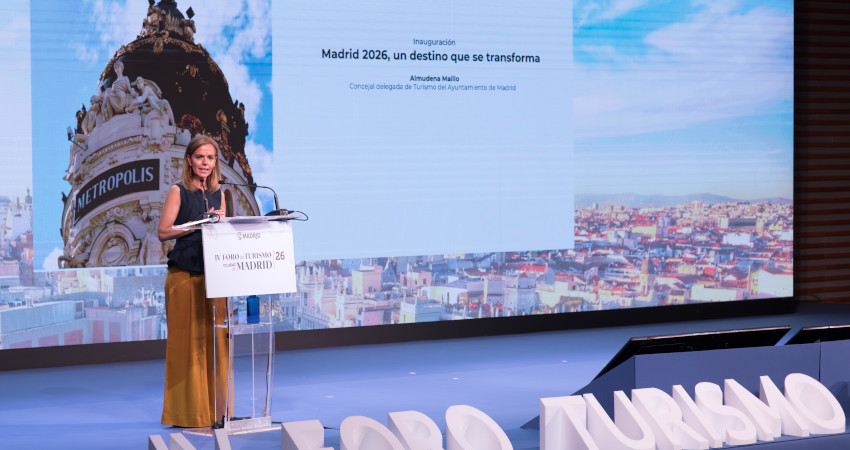
The Councillor for Tourism, Almudena Maíllo, opened the forum and introduced one of the Council’s most significant innovations of the year: the new Tourism Intelligence System (SIT). The platform delivers a comprehensive picture of tourism activity throughout the city, bringing together nine modules covering visitor numbers; profiles; behaviour; accommodation; air connectivity; spending; visitor flows; and sustainability. It also includes a comparative analysis benchmarking the capital against other European cities.
Among the tool’s notable new features is the analysis of visitor movement using data drawn from mobile communication networks, mapping visitors’ journeys around the city with precision.
SIT enables real-time monitoring of all these key indicators in a straightforward manner, providing the city council and Madrid’s tourism sector with the strategic intelligence needed for sound decision-making and smart destination management. The project was financed by NextGenerationEU funds, via the Destination Tourism Sustainability Plan (also known by the Spanish acronym “PSTD”), and developed by Telefónica Tech and Mabrian.
2025 Madrid Tourism Report
Maíllo also presented the 2025 Madrid Tourism Report, the annual publication charting the evolution of the sector in the capital over the past year. It brings together data on key performance indicators and visitor perception, information on the outstanding experiences Madrid offers its visitors, and an overview of industry trends and forecasts.
The report reflects the consolidation of the capital’s new tourism model, which prioritises considered management, quality and excellence in the visitor experience. It also maintains a careful balance between tourism activity and day-to-day city life, preserving both Madrid’s identity and the quality of life of its residents.
According to the publication, international tourism expenditure in 2025 reached €17.896 billion, up 11% on the previous year, with average visitor spending rising to €1,964. Tellingly, 100% of visitors would recommend Madrid, awarding the city a mean satisfaction score of 9 out of 10. These figures confirm the capital’s progress towards a higher added-value model that has helped position Madrid as the world’s second most attractive urban destination (according to Euromonitor) and Europe’s Best Destination for 2026 (European Best Destinations). They also reinforce the capital’s standing as a global hub for tourism governance, given its status as host city to both UN Tourism and the World Travel & Tourism Council (WTTC).
A New Meetings Tourism Strategy
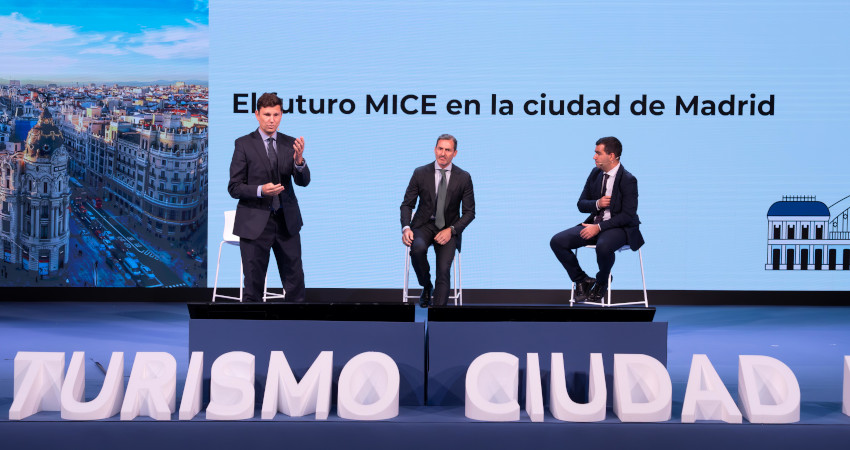
Meetings tourism took centre stage during the panel discussion “The Future of MICE in Madrid”, led by the city council’s Director of Tourism, Héctor Coronel; the Director of Madrid Convention Bureau, David Noack; and Borja Torres, Manager of Public Sector Consulting at Deloitte.
The session outlined how the capital, firmly established in this segment and recognised as the world’s foremost destination for congresses and meetings, is refining its strategy to sharpen its competitive edge and respond to the evolving landscape of the tourism sector and the shifting demands of event organisers.
Madrid is now directing its strategy towards identifying and attracting gatherings from strategic economic sectors, such as big data and cybersecurity. It is also placing growing emphasis on the positive social and environmental impact of these events alongside their economic contribution, further cementing the capital’s reputation as a leading venue for major professional gatherings.
Presentations by Industry Professionals and Experts
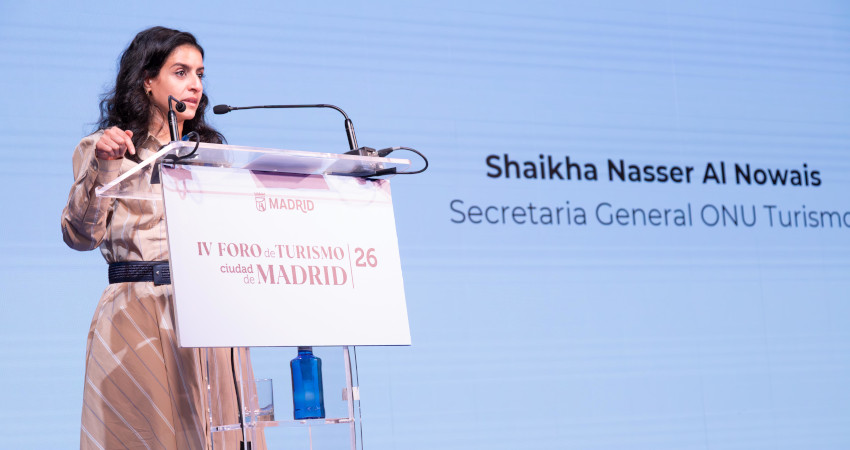
The forum brought together a range of professionals, experts and authorities in a series of presentations and round-table discussions covering current affairs and the latest sector trends. The Secretary-General of UN Tourism, Shaikha Al Nuwais, was warmly received by delegates. She noted that “Madrid continues to grow as a world-class tourism destination in both scale and influence”, adding that “the city’s robust public-private collaboration is key to ensuring that tourism growth remains sustainable and balanced for visitors and residents alike”.
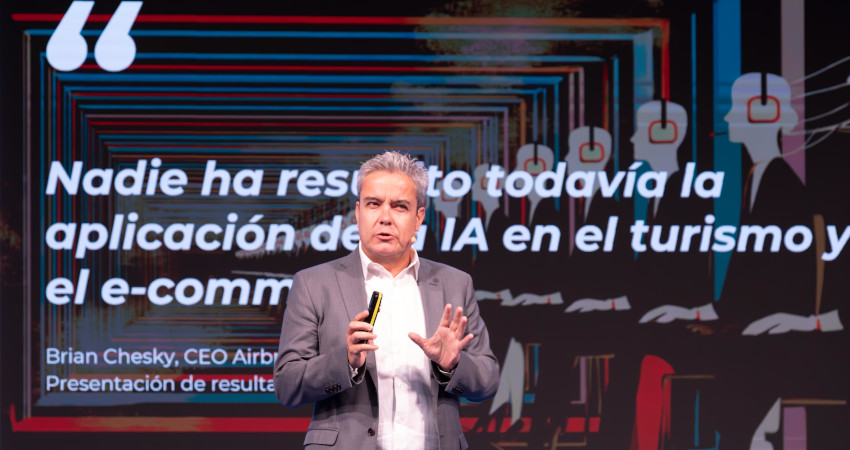
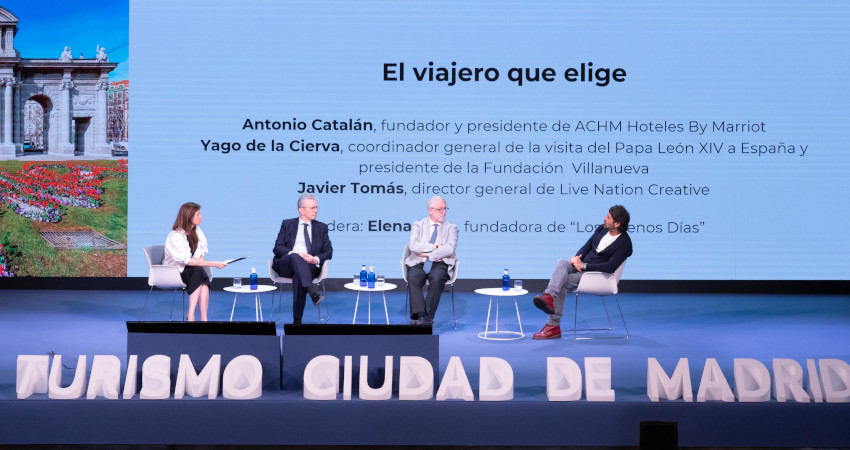
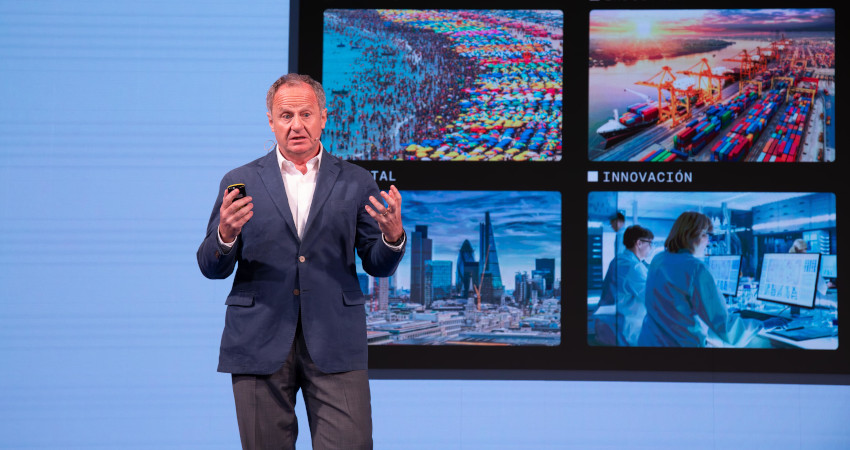
Artificial intelligence set the tone for the opening of the forum, with a presentation entitled “AI: The Evolution of Travel” delivered by Fernando Polo, President of Foro IA and CEO of Good Rebels. Antonio Catalán, founder and chairman of ACHM Hotels by Marriott; Yago de la Cierva, General Coordinator of Pope Leo XIV’s visit to Spain and President of Fundación Villanueva; and Javier Tomás, General Director of Live Nation Creative, joined the panel discussion “The Traveller Who Chooses”, which was moderated by Elena León, founder of the Los Buenos Días project.
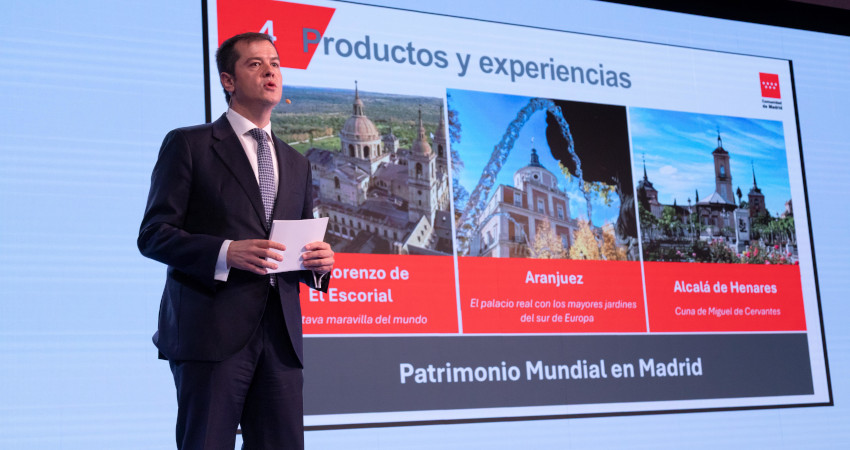
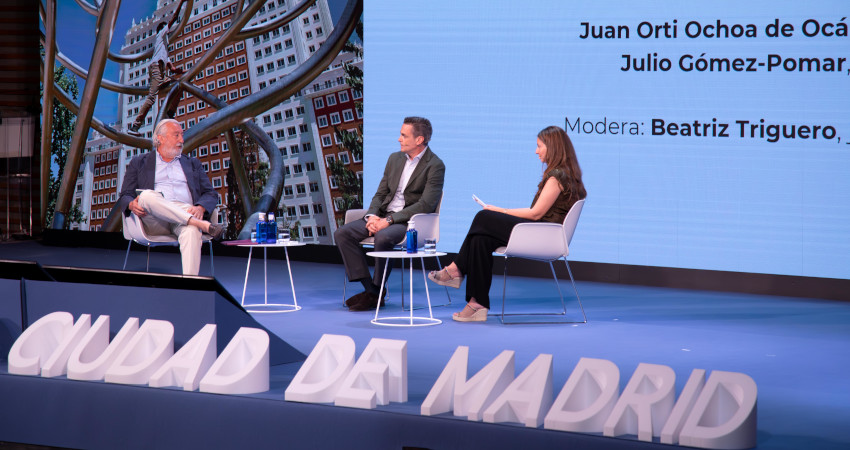
Luis Martín, Deputy Minister for Tourism of the Regional Government of Madrid, showcased the attractions of the wider region in his presentation “Madrid: Beyond the Capital”, whilst Jacob Benbunan, co-founder and CEO of Saffron, gave an address on the world’s most memorable destination brands. The forum concluded with a conversation on the legacy of tourism in urban destinations, featuring Juan Orti Ochoa de Ocáriz, Chairman of Exceltur, and Julio Gómez-Pomar, President of Ecorail. The discussion was moderated by Beatriz Triguero, Economics Editor at Forbes.
As in the previous edition, attendees were encouraged to donate blood through the “Share Knowledge, Share Life” campaign, an initiative led by Madrid Convention Bureau in collaboration with the Spanish Red Cross.
Compartir en